The fisherman came ashore with salt still crusted on his coat and a day’s catch waiting to be weighed. There was little silver in his pocket, and none was coming from the Crown. What he needed was not a speech about money but something that could be carried, divided, traded, and trusted. The merchant opened a barrel.
Rum moved easily where coins did not. A measure could pay a laborer, settle a debt, or buy provisions for the next voyage. It could cross from a countinghouse to a tavern, from a fishing schooner to a frontier post, without asking whether the man receiving it possessed a bank account or a royal coin.
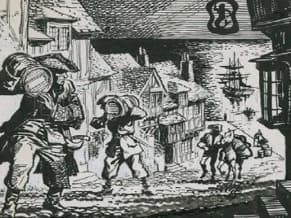
On the Newfoundland fishery, men were sometimes paid in rum because rum was plentiful, warming, portable, and valuable. The fishermen could drink it, trade it, or carry its value elsewhere. In a cash-poor world, the distinction between commodity and currency became difficult to see.
The barrel therefore represented more than liquor. It represented trust. A society short of money had found something almost everyone would accept. The irony was that this convenient currency had come from a system of trade reaching across the Atlantic, from Caribbean molasses, New England stills, and commerce built upon human bondage.
The bottle could buy almost anything. Even freedom’s economy had a price.
To discover more, pre-order the book at square.link/u/2NUxlfvs