In the summer of 1733, a pamphlet circulating through Boston's counting houses warned that the empire's newest tax would strangle British North America in its cradle. The tax was not on tea, or stamps, or paper. It was on molasses: the thick, dark, bittersweet sludge left behind when sugar is refined, charged at sixpence a gallon on every drop imported from the non-British Caribbean.
To the merchants of Boston, Newport, New York, and Philadelphia, this was no quarrel about a sweetener. Molasses was the raw material of rum, and rum was the engine of an Atlantic economy that ran from the cod banks of Newfoundland to the slave forts of West Africa and back again. The planters of the sugar islands had once thought molasses worthless and let it seep into the ground. New England discovered that the leavings of one civilization could be distilled into the currency of another.
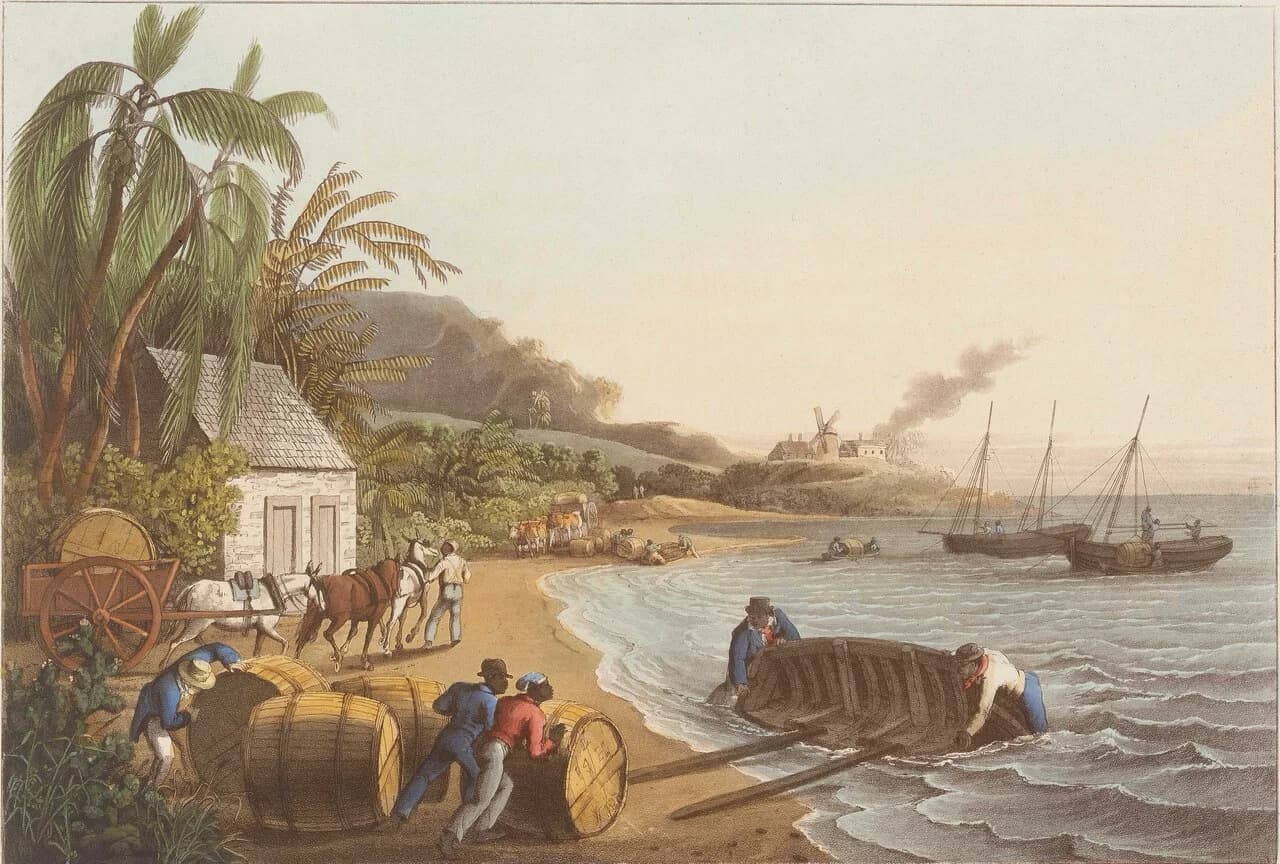
The Molasses Act was so punitive that it was never seriously enforced. French molasses kept arriving, technically illegal and practically unstoppable, and in that gap between imperial law and colonial reality the colonists learned a habit of mind they would not unlearn. Half a century later, sorting the causes of the Revolution for a correspondent, John Adams reached past the tea and the stamps:
I know not why we should blush to confess that molasses was an essential ingredient in American independence.
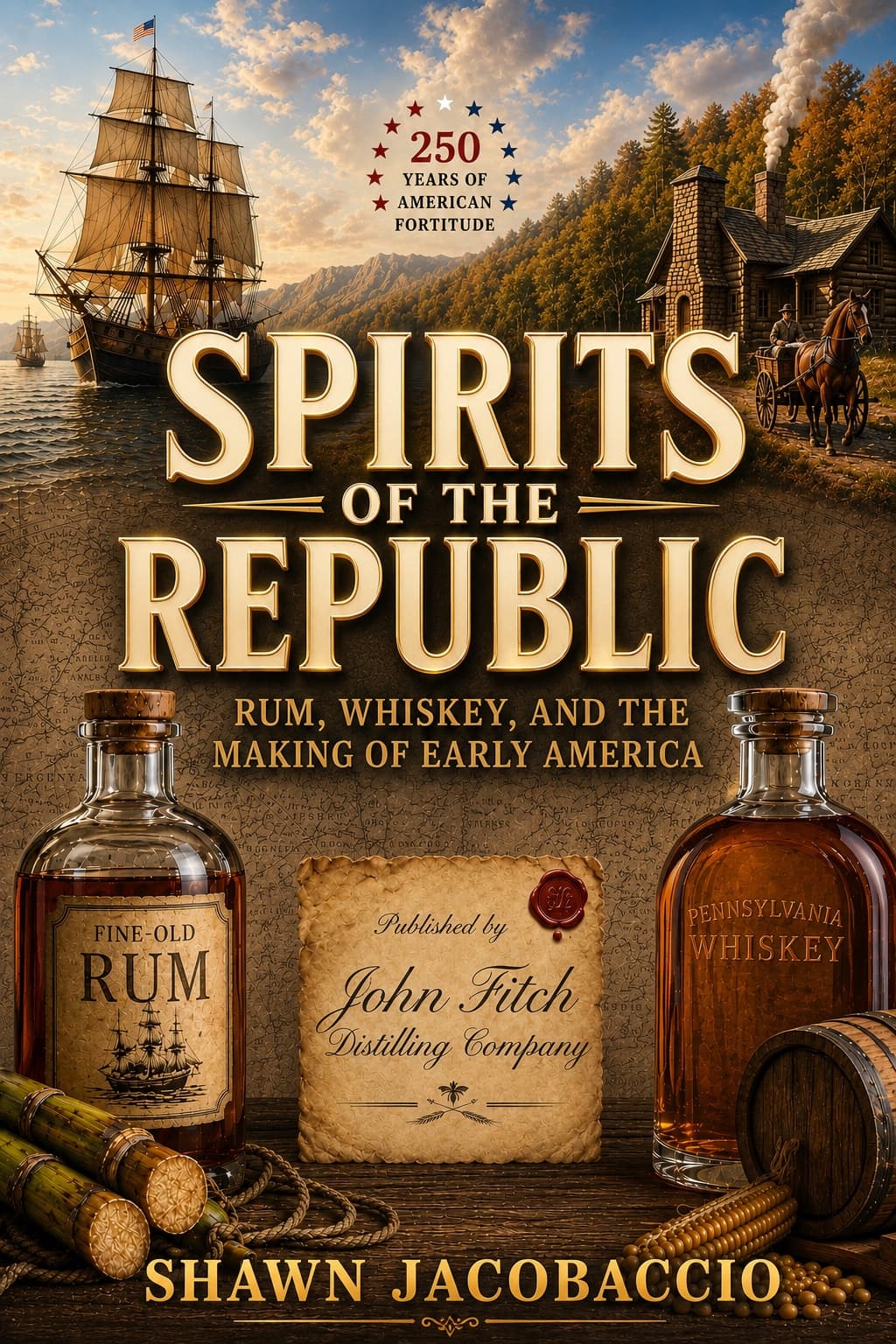
He declined to blush. Neither does the book Spirits of the Republic: Rum, Whiskey, and the Making of Early America, which follows the syrup wherever it leads, including the places its handlers preferred not to look.
To discover more, pre-order the book at square.link/u/2NUxlfvs